






hero

Delayed Embryo Transfer IVF Program

Delayed Embryo Transfer IVF Program is a strategy where embryos retrieved after stimulation are cryopreserved. Their transfer is carried out in a subsequent cycle, allowing the woman’s body to recover from the hormonal load. This approach ensures ideal endometrial receptivity, significantly increasing the likelihood of successful implantation and a healthy pregnancy.

Delayed Embryo Transfer IVF Program
Consultation:
100 000

Indications for the Program

Delayed transfer is recommended for optimizing implantation conditions and minimizing risks associated with hormonal stimulation.

Risk of developing Ovarian Hyperstimulation Syndrome (OHSS)

Transfer deferral is the only safe method to prevent OHSS.

Suboptimal Endometrial Condition

Abnormal thickness or structure of the endometrium during the stimulation cycle.

Need for PGT (Preimplantation Genetic Testing)

Delay is necessary to obtain the results of genetic diagnosis.

Acute Inflammatory Processes

Any infectious or inflammatory processes detected during stimulation that require treatment.

High Progesterone Levels

Elevated progesterone levels at the end of stimulation, disrupting the “implantation window.”

Failed Fresh Cycle Attempts

Repeated implantation failures during immediate embryo transfer.

How the Procedure is Performed

01
02
03
04
05
06
07
08
альт англ

Phase I: Stimulation

Controlled growth of follicles using individually tailored medications.

альт англ

Phase I: Retrieval and Culturing

Oocyte retrieval, fertilization, and culturing to the blastocyst stage.

альт англ

Phase I: Cryopreservation

All high-quality embryos are immediately frozen using the vitrification method (ultra-rapid freezing technology).

альт англ

Phase II: Body Recovery

The woman takes a pause (usually 1 month) for full hormonal recovery.

альт англ

Phase II: Endometrial Preparation

Creating optimal conditions for implantation with hormonal support or in a natural cycle.

альт англ

Phase II: Thawing

The embryo selected for transfer is thawed on the day of the transfer.

альт англ

Phase II: Embryo Transfer

Painless transfer of the cryo-embryo into the uterus under ultrasound guidance.

альт англ

Monitoring

Hormonal support until a positive pregnancy test result (hCG) is obtained.

icon prev
icon next

About the Delayed Embryo Transfer IVF Program

Maximizing Success Through Natural Timing

This program utilizes the benefits of cryopreservation to create ideal synchronization between the embryo and the uterus. Following the hormonally intensive stimulation cycle, the uterus is prepared for transfer in conditions that closely mimic a natural cycle. This approach significantly increases the chances of successful implantation because the endometrium is in a state of maximum readiness and receptivity.

Unsere Ergebnisse

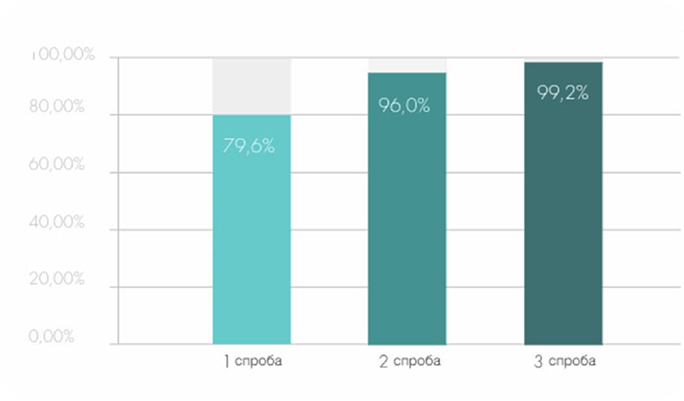
Die Anwendung des Protokolls mit verzögertem Embryotransfer ist ein Schlüsselfaktor für die Steigerung der Erfolgsquoten unseres IVF-Zentrums. Wir verzeichnen höhere Raten an klinischen Schwangerschaften im Vergleich zu „Frischtransfers“, insbesondere bei Patientinnen mit OHSS-Risiko oder Endometriumbeschwerden. Dank der hohen Überlebensrate der Embryonen nach der Vitrifikation und der individuellen Vorbereitung der Gebärmutter garantieren wir, dass jeder Kryo-Embryo die beste Chance auf Implantation erhält. Dies gibt unseren Patienten mehr Sicherheit für ein positives Behandlungsergebnis.

Unsere Ergebnisse

Doctors

Olha Romanova
Olha Romanova
Chief physician of the clinic, leading reproductive specialist
Experience 19 years of experience
Consultation: 0
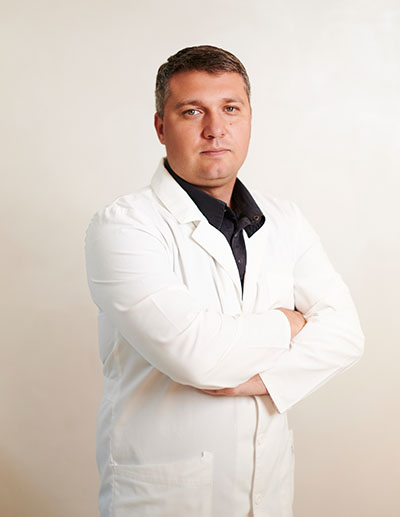
Roman Shcherbakov
Roman Shcherbakov
Urology and andrology specialist
Experience 9 years of experience
Consultation: from 1000 UAH
icon next
icon prev

Take the first step today

Leave your contact information and our manager will contact you.

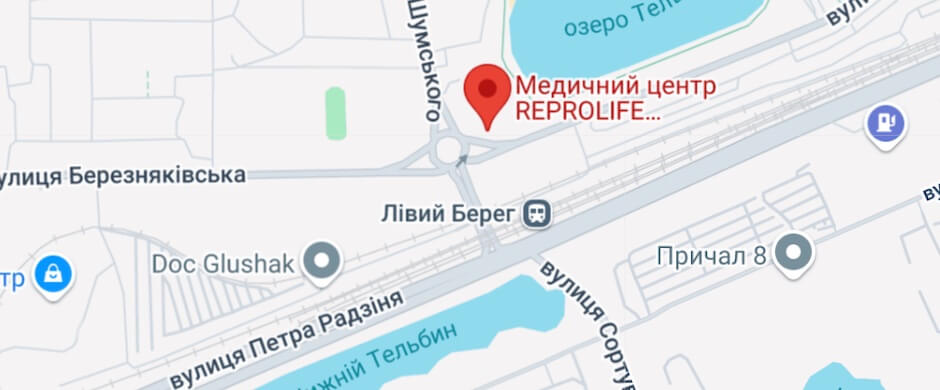
    Reprolife clinic addresses

    Mon-Fri: 8:00 a.m. - 6:00 p.m.

    Sat: 8:00 a.m. - 5:00 p.m.

    Sun: Closed

    Mon-Fri: 8:00 a.m. - 6:00 p.m.

    Sat: 8:00 a.m. - 5:00 p.m.

    Sun: Closed

    Delayed Embryo Transfer IVF Program: Enhancing Success and Safety

    In Vitro Fertilization (IVF) is the main method for treating infertility, but its effectiveness depends on many factors. One of the most important achievements in modern reproductive medicine is the Delayed Embryo Transfer IVF Program, which is based on the principles of the segmented protocol. This approach ensures ideal synchronicity between the embryo and the uterus, critically impacting implantation success.

    Delayed transfer, also known as Cryo-IVF, involves freezing all viable embryos at the blastocyst stage in the stimulation cycle, with the transfer occurring only in the subsequent, recovered cycle. This method is key for women who have an elevated risk of complications or require additional preparation before pregnancy.

    Key Advantages of Delayed Embryo Transfer

    Scientific studies indicate that the hormonal stimulation necessary to retrieve a large number of oocytes can cause a temporary decrease in endometrial receptivity. This means the uterus may not be ideally ready to accept the embryo in a “fresh” cycle. Delayed transfer nullifies this effect:

    1. Improved Endometrial Quality: In the non-stimulated cycle, the endometrium recovers, achieving the optimal thickness and structure for implantation.

    2. OHSS Prevention: This is the only 100% reliable way to prevent the development of severe forms of Ovarian Hyperstimulation Syndrome (OHSS), especially in patients with polycystic ovaries.

    3. PGT Capability: Transfer delay is mandatory when performing Preimplantation Genetic Testing (PGT) to select a genetically healthy embryo.

    4. Treatment of Coexisting Pathologies: The time between cycles can be used to treat hydrosalpinx, endometriosis, or other issues that might impede implantation.

    Stages of the Program: From Stimulation to Cryo-IVF

    The program consists of two consecutive phases, separated by a minimum break of one menstrual cycle:

    Phase I: Genetic Material Retrieval and Preservation

    • Controlled Stimulation: Individually tailored protocol for follicle development.

    • Retrieval and Fertilization: Oocyte retrieval and ICSI fertilization (if necessary), culturing to the blastocyst stage.

    • Cryopreservation: Use of the vitrification technology for ultra-rapid freezing of all high-quality embryos. This method ensures high embryo survival after thawing.

    Phase II: Uterine Preparation and Transfer

    • Recovery and Endometrial Preparation: Individualized uterine preparation (with medication or in a natural cycle) to create an ideal hormonal environment.

    • Embryo Thawing: On the day of the transfer, the selected cryo-embryo is thawed by our embryologists.

    • Embryo Transfer: A painless, controlled transfer of the embryo into the uterine cavity under ultrasound guidance.

    • Monitoring: Full medication support and monitoring until the end of the cycle for maximum implantation support.

    Our Results and Technologies

    At Reprolife, we prioritize safety and effectiveness. Our statistical data confirms that Delayed Transfer significantly increases the chances of clinical pregnancy and the birth of a healthy child. The high expertise of our Embryology Department in using vitrification ensures virtually 100% embryo survival.

    The Delayed Embryo Transfer IVF Program is the optimal choice for patients seeking the highest level of safety and the maximum probability of a successful outcome.

    Read more